A common conventional method for managing stormwater is a stormwater basin. Basins are meant to collect stormwater and slowly release it at a controlled rate so that downstream areas are not flooded or eroded. While effective for flood control, these practices have significant limitations for water quality treatment and for preventing impacts to stream systems.
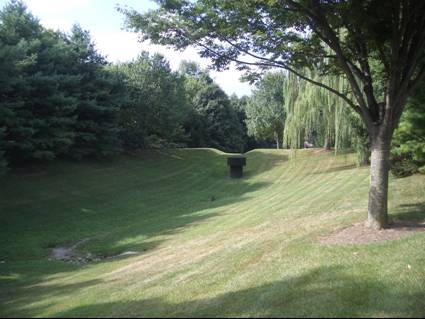
Detention (dry) basin
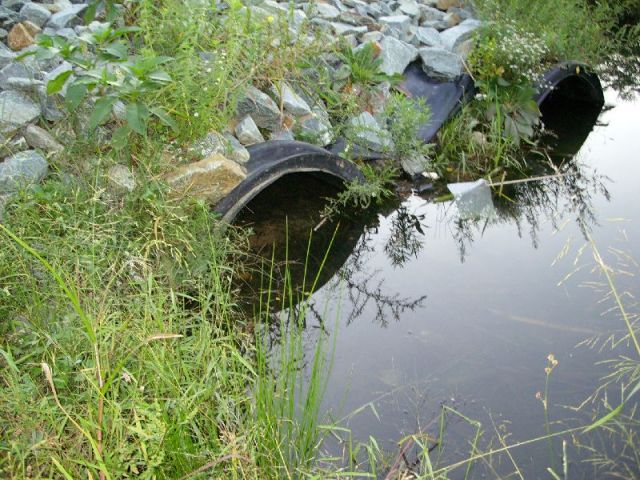
The main difference between a detention and a retention basin is whether or not it has a permanent pool of water – like a traditional “pond”. The water level is established by the low flow orifice. Most of the time the orifice is part of a metal or concrete structure called a riser. A detention, or dry, basin has an orifice level with the bottom of the basin so that all of the water eventually drains out and it remains dry between storms – hence, a dry basin. Retention basins have a riser with an orifice at a higher point so that it retains a permanent pool of water.
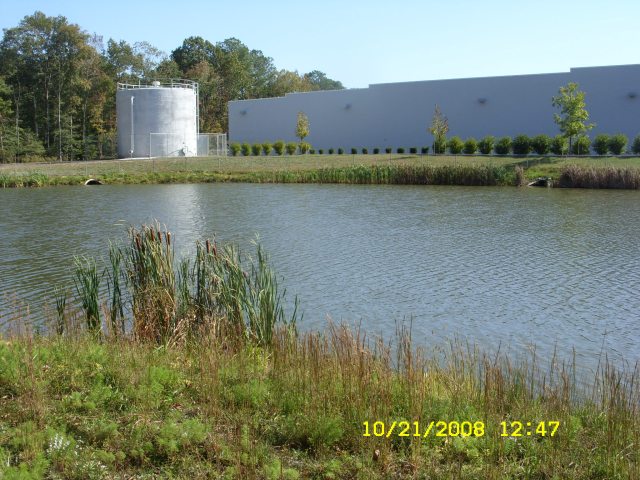
Retention (wet) basin
The basins themselves are important for storing and slowing (attenuating) the runoff from impervious surfaces such as rooftops or pavement. The amount of treatment, or cleaning, of the water is limited. Dry detention basins control flood flows only. A retention basin can also provide water quality benefits by reducing sediments and attached pollutants.
Continue reading →



 Shanghai




 Sustainable Stormwater Management